

What is ATMP – and how is it life changing?
"Advanced Therapy Medicinal Products (ATMPs) are medicines for human use that are based on genes, tissues or cells. They offer groundbreaking new opportunities for the treatment of disease and injury"
ATMPs combine advances in biotechnology, medicine, and engineering to create highly specialized therapies, often tailored to individual patients. Due to their complexity and potential impact, ATMPs are subject to specific regulations and require close collaboration between healthcare, academia, industry, and regulatory authorities to be processed.
To date, more than 20 ATMPs are authorized by the European Medicine Agency (EMA) for use in patients. These include tissue engineered products for cartilage repair, CAR-T and stem cell therapies for hard-to-treat blood cancers, and viral vector based gene therapy medicinal products for the treatment of specific cancers and genetic diseases.
Different types of ATMP
Following the development of ATMPs, regulatory authorities have divided these therapies into different categories. This classification helps define how they are developed, regulated, and used in healthcare.
Gene Therapy Medicinal Products (GTMPs)
Gene therapy medicinal products are designed to treat or prevent disease by introducing, removing, or modifying genetic material in a patient’s cells. This can be done either in vivo, where the genetic material is delivered directly into the body, or ex vivo, where cells are modified outside the body and then returned to the patient. The goal is to correct faulty genes, restore function, or improve the body’s ability to fight disease.
Somatic Cell Therapy Medicinal Products (sCTMPs)
Somatic cell therapy medicinal products use living cells (somatic cells, meaning non-reproductive body cells) to treat or prevent disease, often within a regenerative context. This includes therapies based on stem cells, which have the ability to develop into different cell types and support tissue repair. The cells are typically modified or expanded before use and can come from the patient (autologous) or a donor (allogeneic). These therapies aim to replace, repair, or restore damaged tissues or support normal biological function.
Tissue-Engineered Products (TEPs)
Tissue-engineered products are therapies designed to repair, regenerate, or replace damaged human tissue. These products combine cells, biomaterials, and engineering techniques to support the restoration of normal tissue function.
Examples include engineered skin for burn injuries, cartilage repair therapies, and regenerative treatments for bone or organ damage. These approaches focus on rebuilding tissue structure and function to restore long-term biological activity.
Combined ATMPs
Combined ATMPs integrate one of the previously mentioned ATMP categories with a medical device component. This means that the therapy contains both a biological element, such as cells or genes, and a device that supports its administration or function.
The drug development process
Drug development involves discovering, testing, and bringing new medicines to patients through research, preclinical studies, clinical trials, and regulatory review to ensure safety, efficacy, and quality.
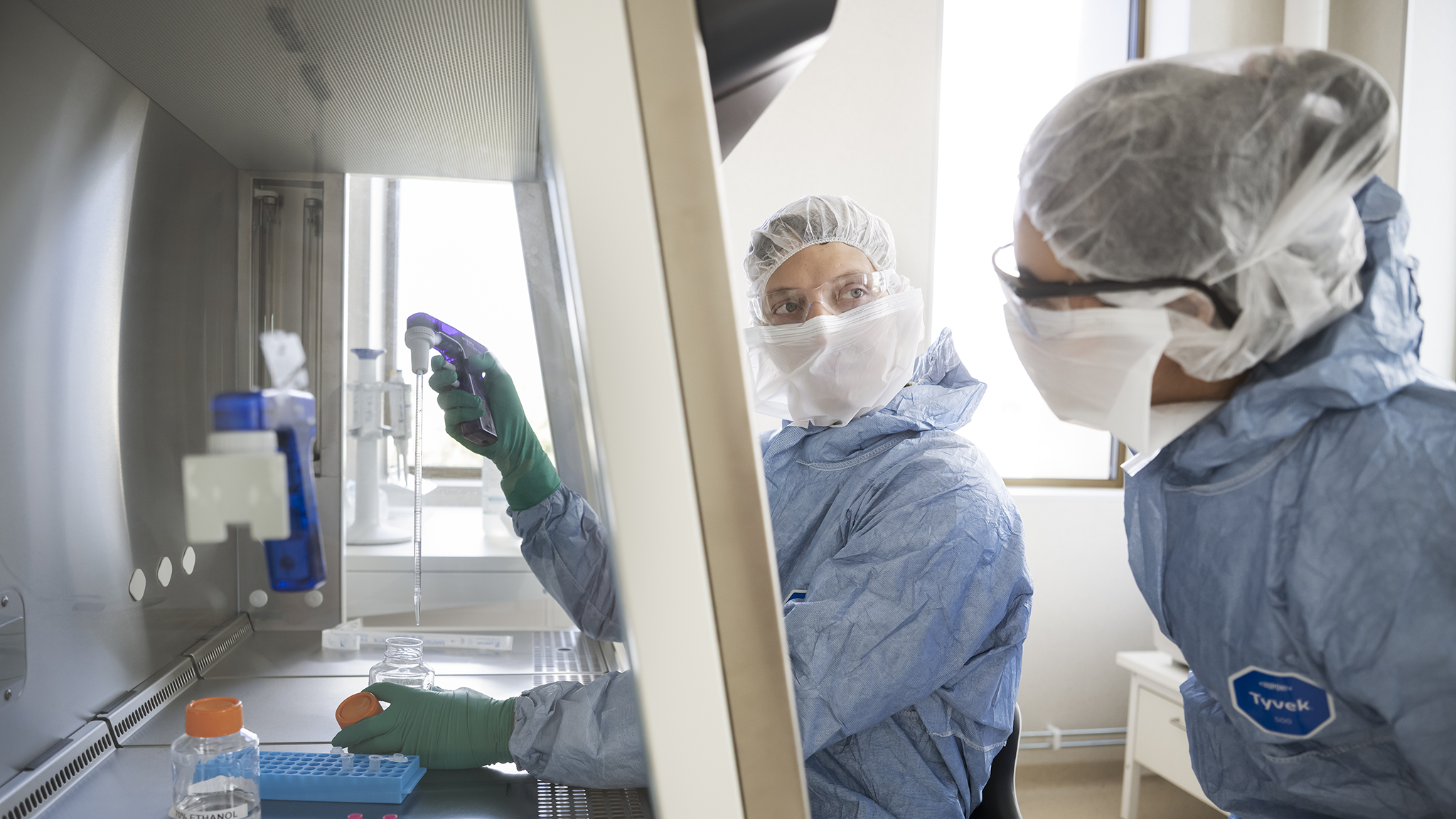
ATMPs follow similar steps, but are based on living material. This introduces additional complexity in areas such as manufacturing under GMP conditions, process control, logistics, and regulatory requirements. These factors also contribute to the high cost of ATMP development and production.
To efficiently bring ATMPs to market, advanced engineering, process optimization, and innovative science are required, together with expertise across the full development pipeline and strong collaboration where knowledge gaps exist.

ATMP initiatives
As a result of a series of initiatives and increased focus on the ATMP field in Sweden, SCALE is one of the outcomes of projects that have led to both new companies and further national initiatives.
The long-term ambition is for SCALE to become Sweden’s leading cluster for ATMP knowledge and competence development. SCALE seeks collaboration and dialogue to ensure national alignment and effective use of resources with other initiatives.
To ensure quality of training and support alignment and structure beyond national borders, SCALE also collaborates with international initiatives and companies.